

Hello from a plane somewhere above Europe! I’m on a whirlwind trip this week, taking me to Stockholm, where I’ll be delivering a keynote on misogyny and the assault against democracy for Fojo Verify Day; London, where I’ll be launching our report on the prevalance of deepfake sexual abuse material targeting UK lawmakers; and Phoenix, where I’ll be arguing—and this might shock you—that political deepfakes are a form of protected speech, for the popular public media program Open to Debate. (I’ll share the link when it becomes available.)
I hope you’ve enjoyed the first season of DISARMED: How the U.S. Gave Up the Fight Against Falsehoods, which we pushed out over the last two weeks. If you missed it, you can catch up here.
Since our podcast premiered, we’ve taken you through the ways the Trump administration has dismantled the federal response to falsehoods. We’ve spoken to former government officials who worked on foreign interference, cybersecurity, international journalism, and resilience who were worried about how falsehoods might affect the 2026 midterms.
On November 3, we saw the Democratic Party deliver a stunning rebuke to the Trump agenda with margins that many analysts have called “too big to rig.” But there were—and to a smaller extent than most of us expected, still are—still election rumors percolating.
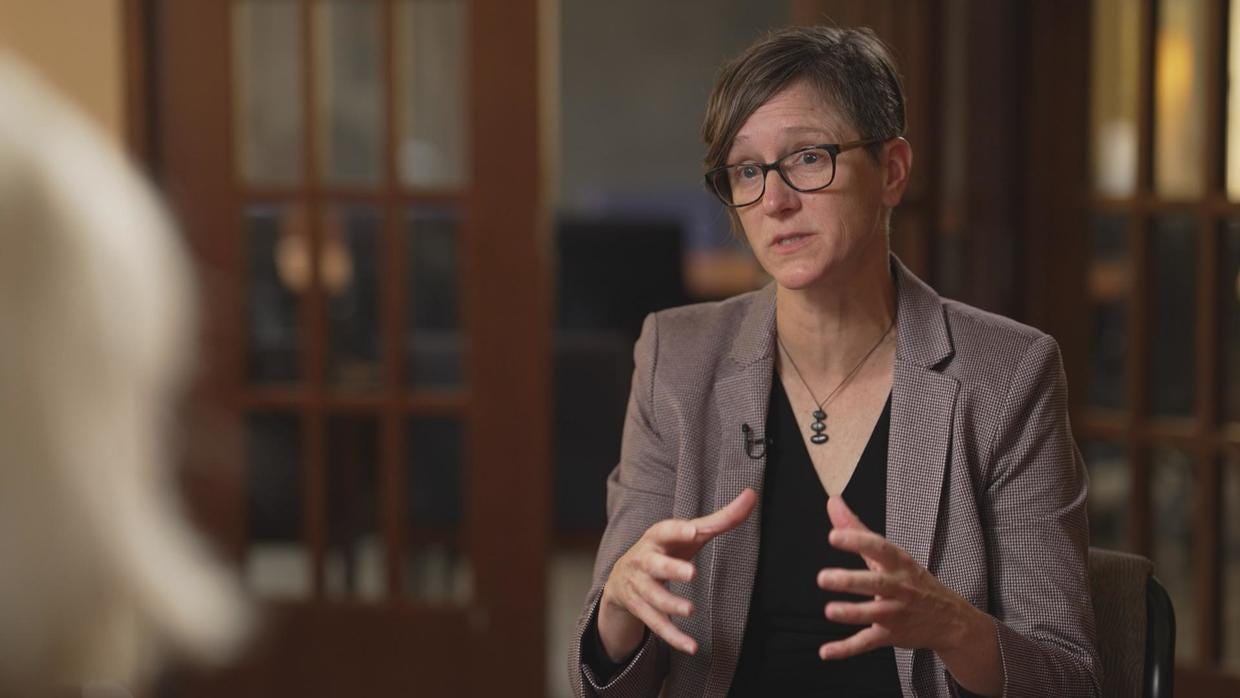
I meant to bring you a live edition of the podcast to discuss those rumors with the one and only Dr. Kate Starbird of the University of Washington’s Center for an Informed Public, but this was my first time streaming with a stream key and somehow I goofed, and the stream didn’t work. Kate and I had a lovely conversation, but it was lost to the internet. In lieu of our witty banter, I thought I’d bring you a summary of what we discussed.
According to her bio, Kate’s “research has followed the phenomenon of online rumoring down the rabbit hole and into some of the toxic online spaces that are increasingly (re)shaping discourse, values, and politics around the world.” That work—particularly in UW’s contributions to monitoring election rumors in 2020—made her and her team a target of the right-wing. Like many in the counter-disinformation space, she has been targeted by harassment, threats, and Congressional inquiries that were based on the falsehood that she and her team were somehow conspiring to censor Americans. They were doing the opposite, and the clue is in their center’s name: working to inform their fellow citizens.
Despite that pressure, CIP has continued to do its work, including this year during the midterms. Kate told me their CIP’s goal in 2026 was to make election rumors boring. After a decade-plus of monitoring online falsehoods, she and her team realized that the rumors followed a formula, so throughout CIP’s public work this year, there’s a sense of “we’ve seen this all before.” They even put out an election rumor bingo card so folks can track the bogus theories they’ve seen. (I asked Kate if anyone made bingo—she said throughout this cycle it would have been possible to fill up the card several times over.)
Despite the preponderance of election conspiracy theories, though, none of them gained traction the way they did in 2020 or 2024. In the early hours of Election Day this year, when scanners in Westchester County weren’t working properly, Kate’s team looked at amplification and traffic of rumors around the cause of the malfunction. There were folks claiming the machines were taken offline intentionally, but those posts only got 20% of the traffic that posts about a similar malfunction in Maricopa County, AZ got in 2024.
By the time November 4 rolled around, however, the rumors were being shouted into the void. I told Kate I was a little shocked to see President Trump not contest any of the results when I woke up early on Wednesday morning. Were the election results simply “too big to rig?” Kate believes that was definitely part of it, but she and her team reckon that people are also simply a bit bored of the “rigged election” allegations after hearing them for six years straight.
Isn’t it nice to imagine that those conspiracy theories might finally be behind us? Of course, solidifying that outcome will take some smart maneuvering from the Democrats while they hold the Congressional majority. I’ll have more on that for you in the next few weeks.
In the meantime, you can find Kate’s writing and CIP’s research on Substack as well as the CIP website. For more conversations like this, stay subscribed to The Wayfinder and DISARMED right here on Substack—or on YouTube, Apple, Spotify, or wherever you get your podcasts. If you already subscribe, consider upgrading to paid so we can continue to bring you high quality content like this.
Our next episode will be a conversation with author Keir Giles on his new book American Overthrow: Moscow’s Endgame in its Long War with Washington.
Until then, stay vigilant. 🧭
Thanks for checking out The Wayfinder, where I help you navigate our polluted information environment. This is a space for people who believe a shared reality is the bedrock of democracy. It will always be free to access, because reputable information shouldn’t be behind a paywall.
If that resonates with you, join as a free subscriber to receive new posts in your inbox. Paid supporters help sustain this public work and receive the 10-Day Online Safety Tune-Up, access to the growing Wayfinder resource library, and invitations to occasional members’ conversations.
And if you can’t commit to a paid subscription, you can still support my work by buying me a coffee.
With gratitude,
Nina